"Interview with Minyoung Joo – Interaction Design at ArtCenter"
“When I need to allow the viewers to understand my concept, that is when I will think about how to deliver through design.”
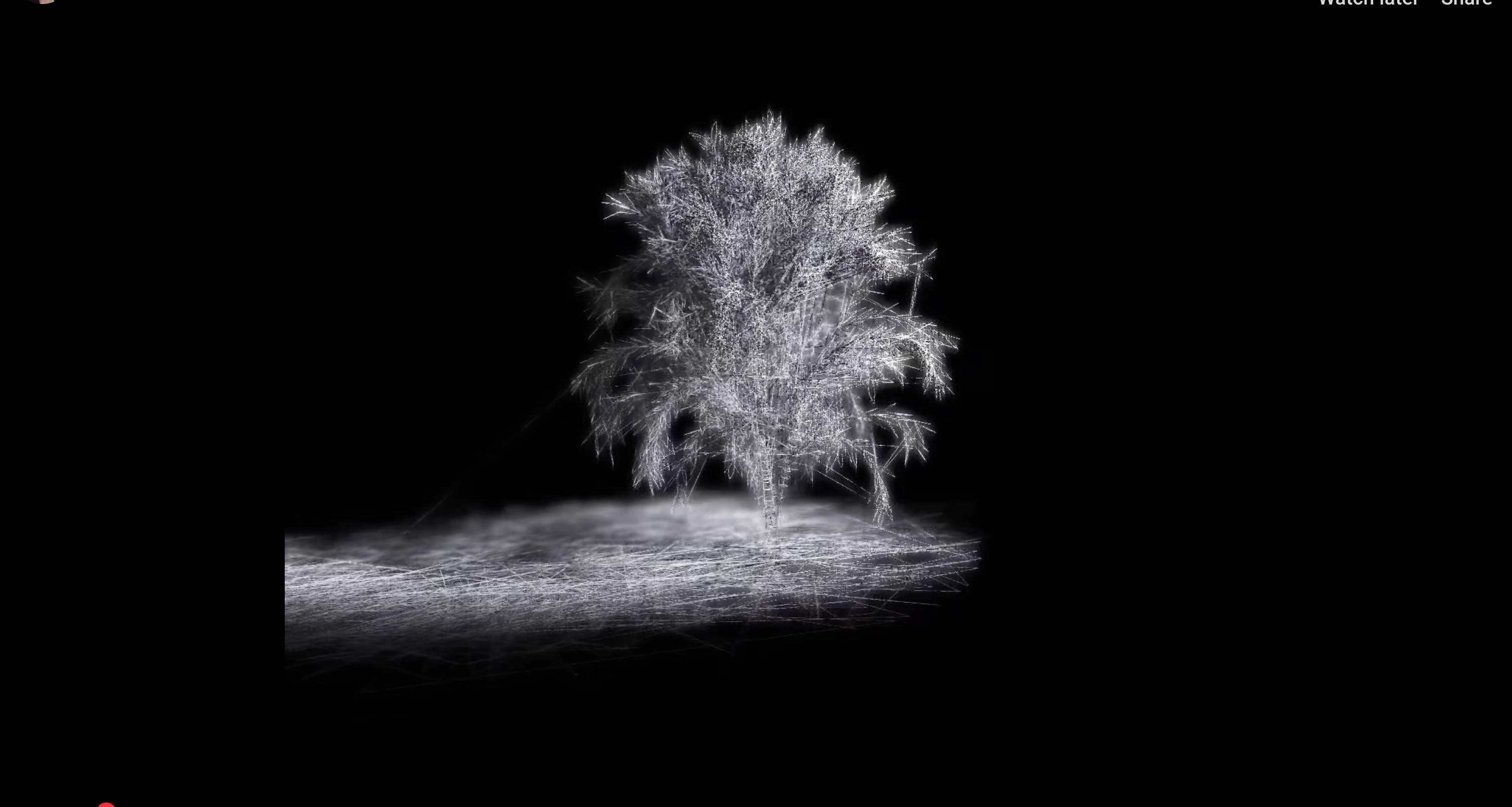
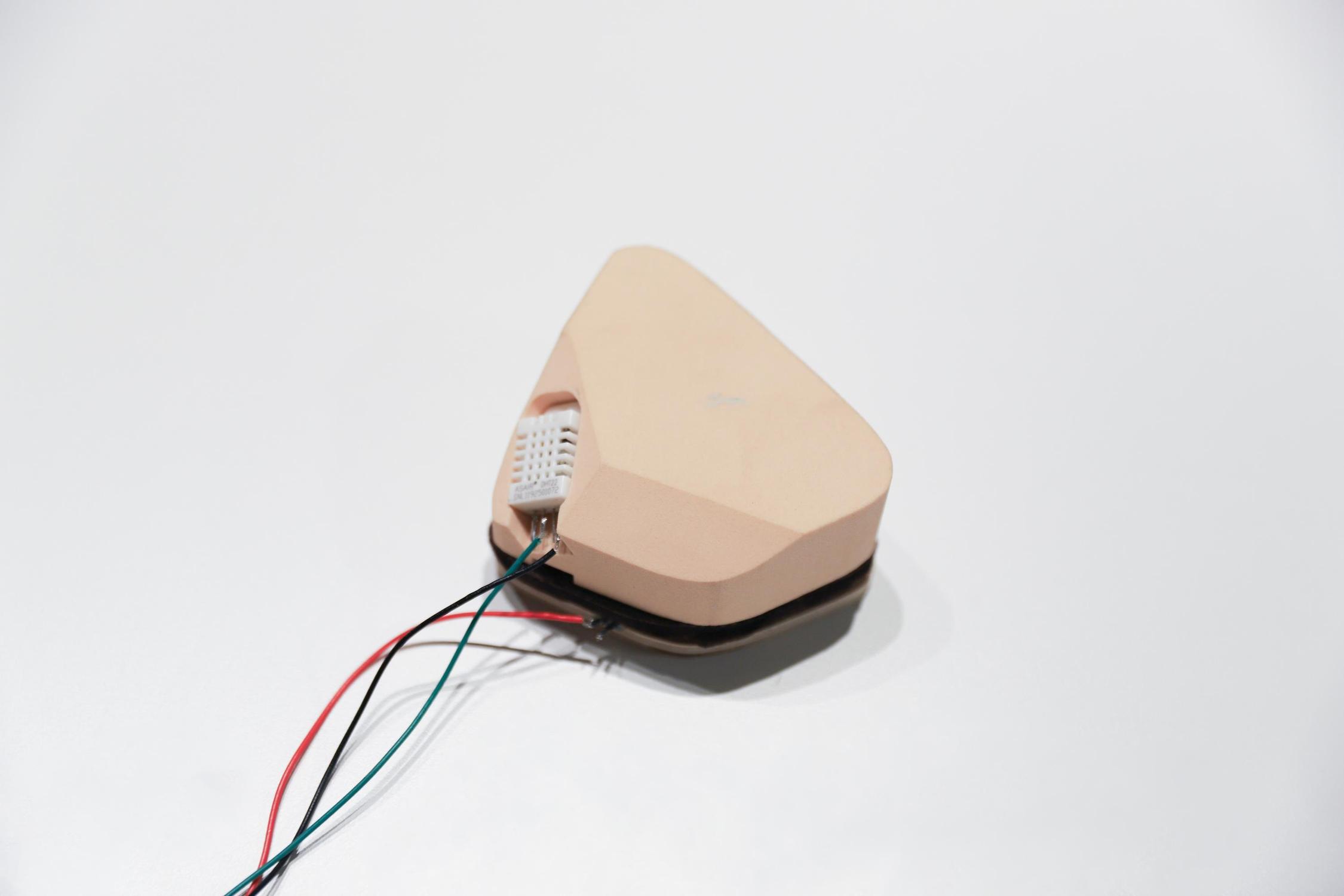
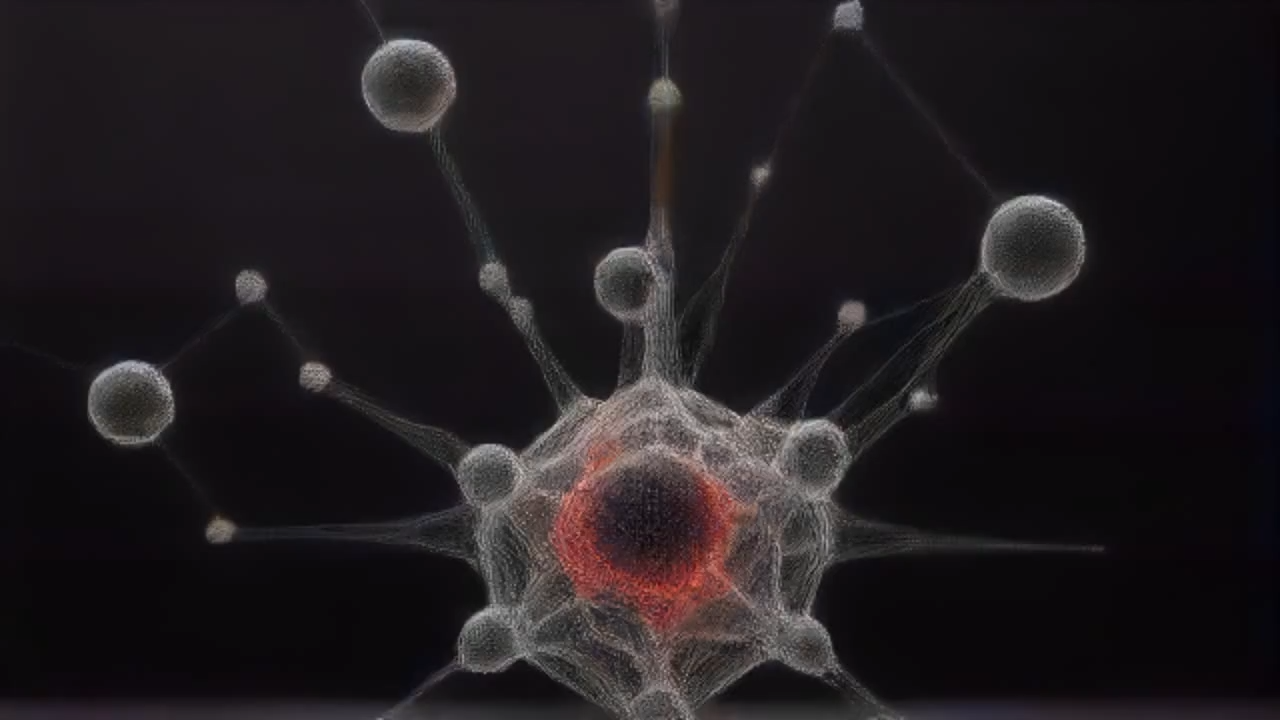
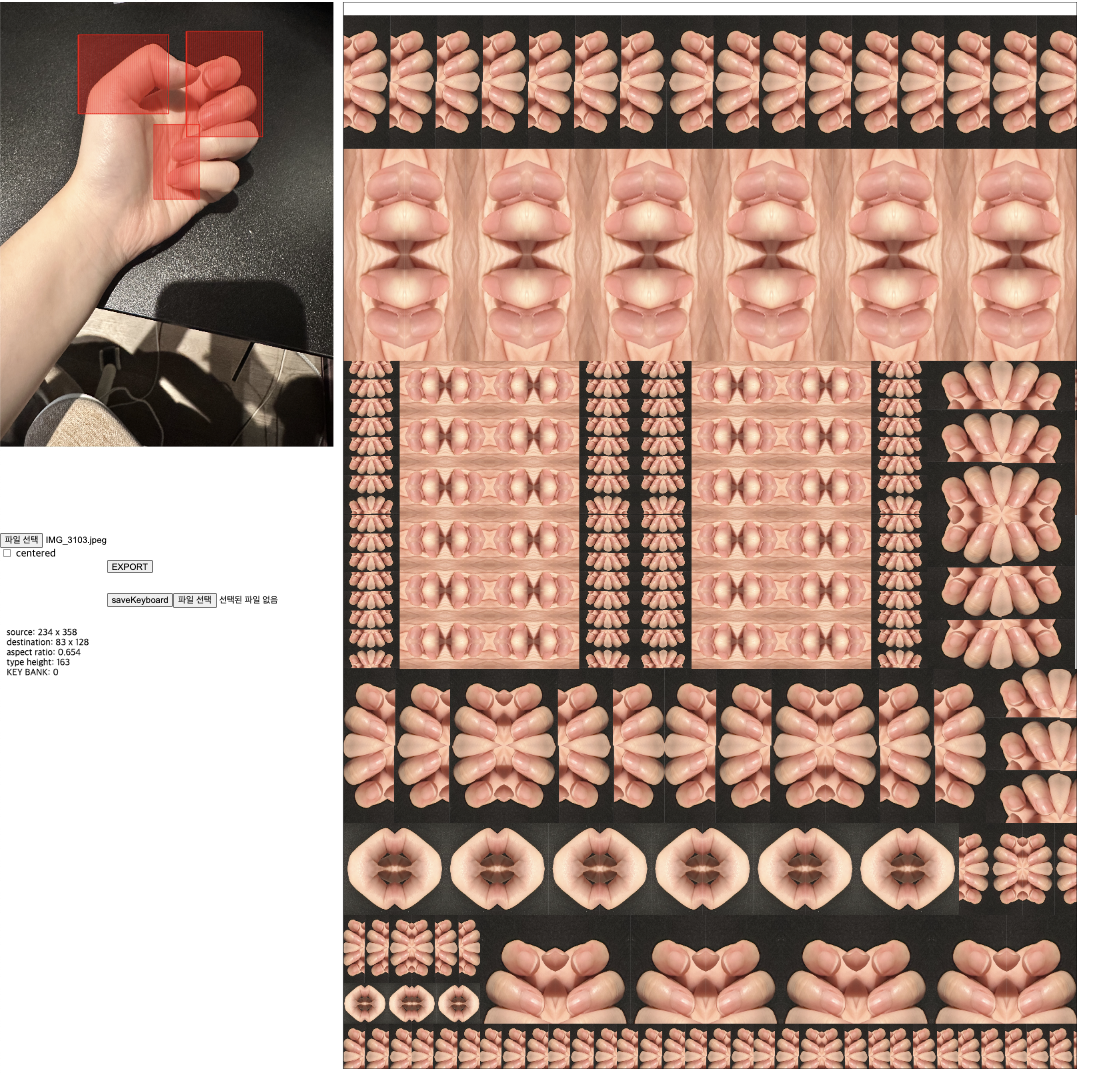
Minyoung Joo explore the intersection of digital materiality, embodiment, and sensory perception, questioning how presence is established in both digital and physical environments.
Through interactive installations, VR experiences, and speculative design, her work investigates the role of touch in bridging the gap between
material and immaterial spaces. Her projects aim to redefine immersion, challenging conventional boundaries between the virtual and the tangible.
Minyoung’s Expertise
🧭
Focused Topic
Phenomenology, experience and virtual space.
🧠
Research Methods
Minyoung begins each project by forming research questions, gathering scientific data, and analyzing insights.
spatial storytelling.
1. Why did you come to ArtCenter??
I initially came to ArtCenter because of its strong reputation in industrial and transportation design. The model shop
and hands-on materials matched my interests. But more importantly, I wanted to shift away from designing for aesthetics and focus
more on research. My undergraduate studies already emphasized form and craft, so I wanted to ask deeper questions like, “Why am I
making this?” and learn how to deliver research findings effectively through design.
2. What has been your favorite personal project?
My thesis project, which explores materiality through virtual experiences using VR, has been the most exciting.
It was the first time I applied immersive technology to help visualize abstract concepts.
3. How do you approach your creative process?
Unlike many who design first and use research to justify it, I start with research and let design support it. If it's a design-driven
project, the visual elements—color, form, layout—guide the direction. But if it's research-driven, I begin by framing research
questions, reading extensively, collecting insights, and building a presentation deck to find the clearest way to communicate those
insights.
4. What do you do when you're stuck?
I talk to people—friends, professors, even my parents. Conversations help shift my perspective and often reveal new angles that move the project forward.
5. What's your advice for other design students?
Go all in. Invest 100% in your assignments and always know what you want to express. The more intention you bring, the more meaningful the work becomes.
6. How do you see the relationship between technical skills and creative thinking?
Like in MDP, my work often involves VR, AR, and speculative design tools. These technologies are not just tools—they expand how we think and what we can express through design.
7. Do you have a personal design style?
I didn’t at first. I used to focus on practical goals—making projects visually appealing or functional. But over time, I realized many companies view designers as just executional tools, and that creates anxiety about being replaceable. Developing a personal style comes through deep reflection, observation, and consistent practice. For me, it’s rooted in research, concept, and materiality.
8. How did your design style evolve?
It started when I built my portfolio. Putting everything together helped me reflect and recognize where my strengths were. That process of looking back helped me find clarity in my design direction.
9. Where do you draw inspiration from?
Materiality and physicality are core themes in my work. I draw inspiration from exhibitions, museums, lectures, and conversations. I also let intuition guide me—I follow the flow. A major turning point was a project with Caltech, where I discovered data visualization and coding. That opened up a new world of tools and thinking.
10. What are your long-term goals?
I want to become a researcher—possibly in a lab, agency, or academia. I'm considering a PhD because I want to focus more on research than traditional design practice.